

What counts as an allowable expense?
HMRC's basic rule is simple: the cost must be wholly and exclusively for your business. If something is part business, part personal (like your phone or van), you can usually claim the business share.
Common expenses for plumbers, joiners, electricians and other trades
- Materials and stock you use on jobs, such as timber, pipe, cable and fixings
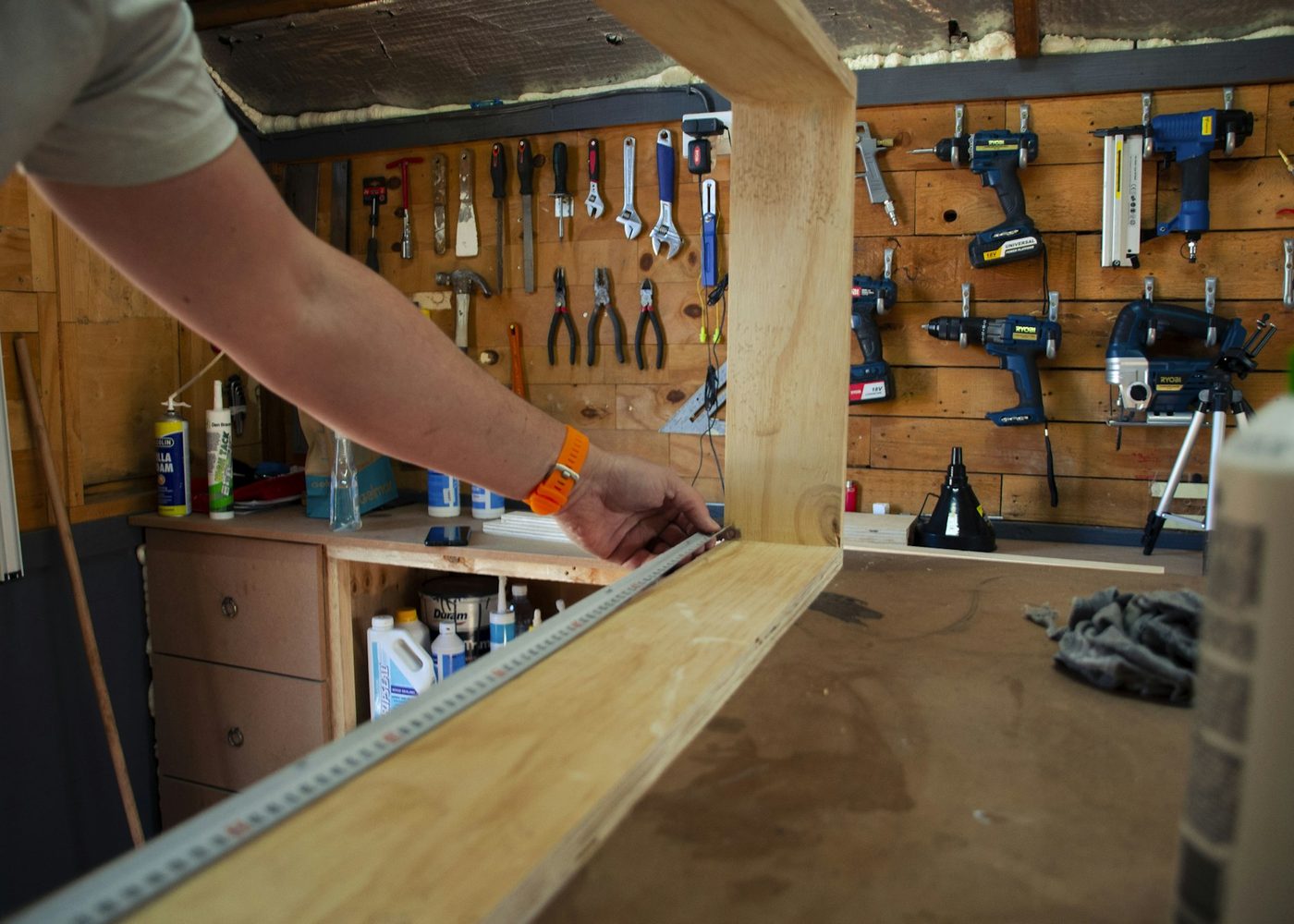
- Tools and equipment, from hand tools to power tools and ladders
- Your van or vehicle (see below for the two ways to claim)
- Protective clothing and uniforms: hi-vis, safety boots, overalls and branded workwear
- Phone and internet: the business share of your mobile and broadband
- Insurance: public liability, tools insurance and the business share of van insurance
- Trade memberships and certification, such as Gas Safe registration or trade body fees
- Advertising: your website, flyers, van signwriting and online listings
- Waste disposal and skip hire
- Accountancy fees and bank charges on your business account
- Training that updates skills you already use in your trade
How do I claim for my van?
You can choose one of two methods, and you normally stick with it for that vehicle:
- Actual costs: fuel, insurance, repairs, servicing, road tax and finance interest, minus any personal use. The van itself is usually claimed through capital allowances.
- Simplified mileage: a flat rate per business mile (45p for the first 10,000 miles and 25p after that for cars and vans, correct at the time of posting, November 2026). You can't then claim fuel, insurance or repairs separately.
Vans used mainly for work are often better on actual costs. We'll work out which method suits you.
What about working from home?
If you do your quotes and paperwork at home, you can claim a share of your household bills, or use HMRC's flat rate based on the hours you work at home each month. It's usually a modest amount, but it all adds up.
What can't I claim?
- Everyday clothes, even if you only wear them for work
- Your own lunches on a normal working day
- Fines such as parking or speeding tickets
- Personal use of your van or phone
- Travel from home to a permanent workplace (travel between jobs and to temporary sites usually is allowable)
How should I keep my records?
Keep every receipt, even for small amounts. A photo on your phone or an app is fine. Many tradespeople now need digital records anyway because of Making Tax Digital. Keeping things tidy as you go saves a lot of stress in January.
An example (made up, to show how it works)
Jamie is a self-employed joiner in Irvine. His sales for the year are £48,000. He spends £9,000 on materials, £3,500 on van costs, £900 on tools, £600 on insurance and £400 on his phone and website. That's £14,400 of expenses, so he pays tax and National Insurance on £33,600 of profit, not £48,000. Try your own figures in our self-employed tax calculator.
Talk to the friendly accountants in Kilmarnock
We help tradespeople across Kilmarnock, Ayrshire, Glasgow and the UK claim everything they're entitled to, without the jargon. See our Self Assessment service or call or WhatsApp us for a chat.
Please note: figures are correct at the time of posting and may change. This article is general information, not advice for your situation.